
Most if not all of the devices that we use, such as personal devices and utilities, use a battery, or multiple batteries. From cars, to power tools, to personal devices, batteries power our life. However, we all know the frustrating feeling of a phone battery going bad, or a pair of your favorite wireless earbuds not charging anymore. Why does this happen?
Many people forget, or just don’t know about rechargeable batteries, actually having an expiration date. It also may be that it suffered damage from hot or cold temperatures, or worse, corrosion. Let’s look at the different ways batteries can become damaged and worn over time.
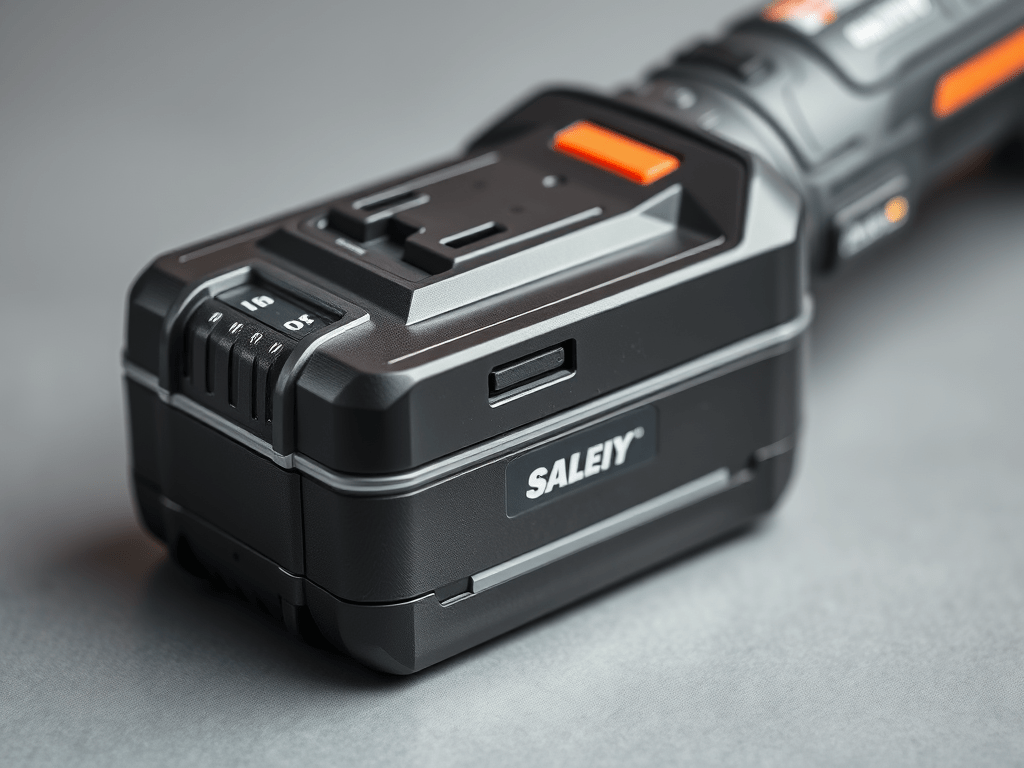
AI example of a battery–similar to the ones used in common 24v power tools.
How do batteries go bad?
A quick summary on how batteries work is important to understanding how to protect some of your devices. The two parts in a battery to keep in mind when thinking about corrosion are the terminal and the electrolyte(not the kind in gatorade!). The electrolyte is responsible for allowing the battery to charge and power things, basically allowing the passage of electrical current. The terminal is the part of the battery that makes contact with the device you’re plugging in to, and when you use your device for long enough, the material that’s in the battery’s terminal begins to corrode.
Corrosion
When an electrolyte that’s inside of a battery reacts with metal components during its charge and discharge cycles, it creates pressure from the hydrogen and oxygen gas that’s created as a result of the chemical reaction. These gases then leak, and react with moisture in the air, which then causes the build up of corrosive chemical compounds. The most common sign of corrosion in the battery terminal is a white powder-like substance.
Charge Cycles
Every battery has an expiration date. This expiration date is determined by how many charge cycles the battery is able to last through. One charge cycle happens, when the charge from a battery goes from 0% or empty, to 100% or full, and then back down to 0%. For example: Lithium Cobalt Oxide (LiCoO2), is supposed to last around 500 cycles, depending on conditions, while Lithium Iron Phosphate (LiFePO4), can last up to 4000 cycles. Think of these cycle estimates like miles on a car, depending on the shape of the vehicle after 100k miles or so, without maintenance or replacing parts it either will or won’t, be a broken vehicle. So after a few years, an older phone could have amazing battery health because of the care that was taken. On the other hand, if you don’t take proper care of your battery, it’s bound to have damaging effects on the battery’s health.
Personal Safety
It’s very important that if you spot corrosion, or other signs of damage on your battery or device, you practice safe handling, and wear proper protection if applicable.
Watch out for these hazards:
- Chemical burns
- Ingesting harmful substance
- Electric shock
- Environmental contamination
- Combustion
- Breathing chemical compound
While working on a battery, it’s important to use personal protective equipment, such as gloves, goggles, and possibly even an apron. Make sure that you use non-conductive tools in order to further prevent the risk of electrical shock. In most cases, battery repair or battery replacement is best left to the professionals, because of its possible risk.
Battery Care
How does one take proper care of a battery? In cases like wireless earbuds, or other devices with smaller batteries, it’s probably best to get a replacement. However, let’s take power tools for example. Yes, they’re tough, but they’re expensive. Regularly checking the condition of the battery’s terminals could save a hole in your wallet.
A white, blue, or green, powder-looking substance could be a sign of corrosion in your battery’s terminal. A mixture of water and baking soda can be used to clean these terminals.
In lead-acid batteries, leaving the battery discharged can lead to the formation of lead sulfate crystals on the battery plates. This is called sulfation and permanently damages the battery. Lithium-ion batteries can suffer from capacity loss when left discharged for too long. The battery’s internal chemistry becomes unstable, leading to a decline in the battery’s ability to hold a charge, as well as deliver power effectively.
Conclusion
Now that you know the basics of corrosion, and how batteries may lose life over time. You can now rest easy knowing that as long as you take the right steps, taking care of your devices doesn’t have to be that hard. Keep them dry, keep them charged, and keep them clean!

Leave a comment